This article is written specifically for parents — not students. Sending your child abroad for 6.5 years, to study a demanding course, in a country you may have never visited yourself, raises a different set of concerns than the ones your child is focused on (curriculum, career outcomes, peer life). This guide addresses the parent-specific questions directly.
"How Will I Know My Child Is Safe?"
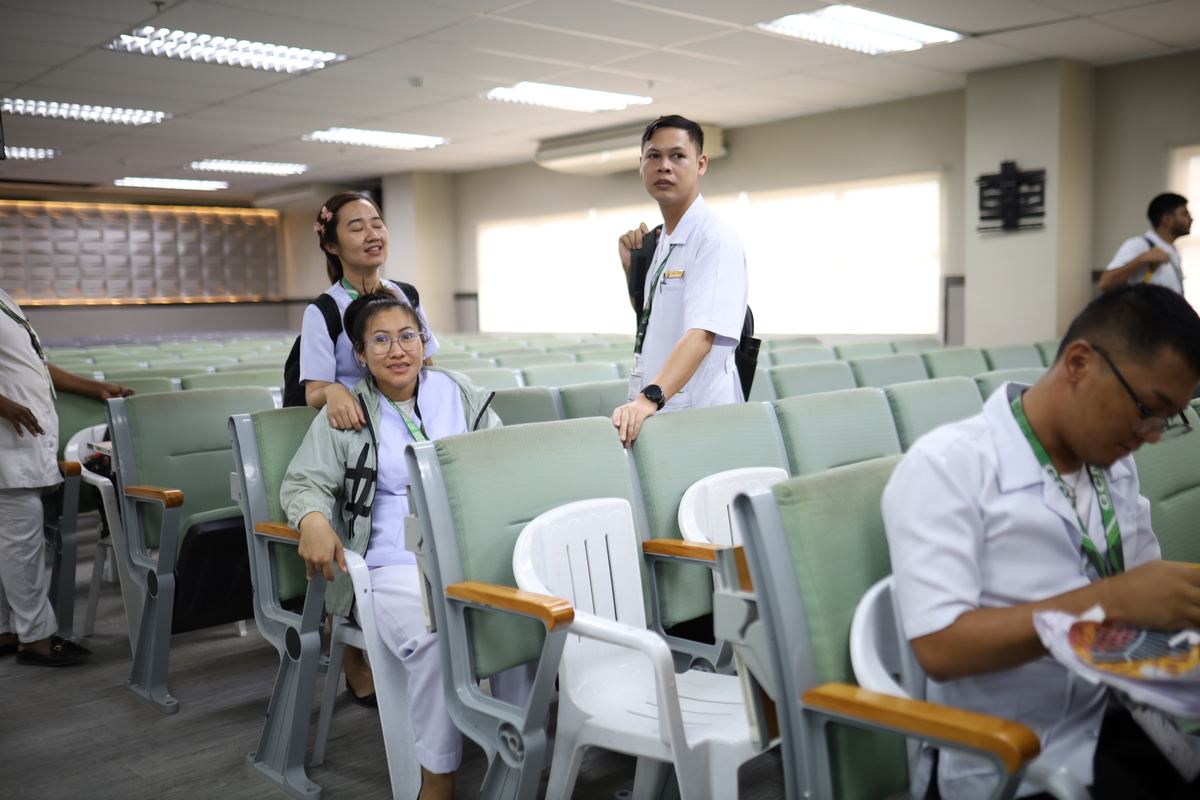
This is, understandably, the first concern for most parents. A few practical realities worth knowing: Cebu City is generally regarded as one of the safer major Philippine cities, with an established expatriate and international student presence — your child won't be a novelty or an isolated foreign presence. UV Gullas's campus has security personnel and controlled access, standard for institutions hosting international students. The large existing Indian student community (500+ at UV Gullas) means your child will quickly be surrounded by peers from similar backgrounds — including, often, students from the same state who can offer both practical guidance and a familiar social anchor.
For ongoing reassurance, most students settle into a regular communication rhythm with family — daily calls during the initial adjustment period, settling into a few times per week thereafter. The 2.5-hour time difference (Philippines is ahead of India) means this fits naturally into both schedules without late-night or pre-dawn calls.
"What If My Child Gets Sick?"
Cebu City, as a major metropolitan area, has substantial hospital infrastructure — multiple major hospitals serve the region. For routine health needs, campuses typically have basic medical/first-aid facilities, and students can access local healthcare for anything beyond that. It's worth discussing with your child (and any consultant/institution) what health insurance coverage is included or recommended for international students, and ensuring this is in place before departure.
"Will My Child Eat Properly?"
This comes up constantly, and the reassuring answer: hostel mess facilities at UV Gullas serve Indian food daily — rice, dal, vegetable curries, and rotating breakfast items (idli, dosa, upma) form the standard fare, with weekend specials. Beyond the hostel, Indian restaurants and grocery stores (stocking familiar brands — basmati rice, dal varieties, spices, packaged foods) exist within a few kilometers of campus. Vegetarian options are available at every meal for students who need them.
"What's the Actual Financial Commitment, Year by Year?"
Rather than just the total (₹40-45 lakhs), thinking year-by-year helps with cash flow planning:
- Year 1 (BS Pre-Medicine): The heaviest initial year — ₹6.75 lakhs in academic fees, plus initial setup costs (visa, travel, hostel deposit, initial living expense buffer). Budget roughly ₹9-11 lakhs for year 1 all-in.
- Years 2-6 (MD Programme): Roughly $5,000 (~₹4.2 lakhs) per year in tuition (two semesters), plus living expenses of roughly ₹2-3 lakhs per year. Budget roughly ₹6-7 lakhs per year.
- Year 7 (Internship): No tuition fee, but living expenses continue — budget roughly ₹2-3 lakhs.
This year-by-year view often feels more manageable than the lump-sum total, and helps with planning education loan disbursement schedules (which are typically tied to academic year/semester payments rather than a single upfront amount).
"Is This Degree Actually Going to Let My Child Practice Medicine in India?"
This is the question underlying most parental anxiety, and it deserves a direct answer: yes, provided specific conditions are met — your child must have a valid NEET qualifying score from before joining (this is why we emphasize: take NEET regardless of the score), the MD programme and internship must be completed per NMC's duration and attendance requirements (UV Gullas's structure is designed around these), and your child must clear NExT (Part 1 after academics, Part 2 after internship) for permanent registration.
None of these conditions are unusual or UV Gullas-specific — they apply to any foreign medical degree under current Indian regulations. The "is this legitimate" anxiety often stems from not understanding this framework, rather than from anything specific to UV Gullas being questionable.
"What Should We Do Before They Leave?"
A practical pre-departure checklist for parents specifically: ensure NEET has been taken (even if your child already has an offer, confirm this box is checked — see our dedicated article on why this matters). Start the document apostille process early (2+ months before departure) — this is the most common source of timeline stress. Set up a communication plan — agree on call frequency/times that work with the 2.5-hour time difference. Discuss a budget and spending plan for monthly living expenses — having clarity on this reduces both overspending anxiety and under-resourcing stress for your child. And research health insurance options for international students.
"How Do We Stay Involved in Their Academic Progress?"
While day-to-day academic management is naturally the student's responsibility (as it would be for any college student, in India or abroad), most institutions and India-based admission offices maintain some communication channel with parents, particularly during the first semester when adjustment concerns are highest. It's reasonable to ask, during the admission process, what parent-communication touchpoints exist.
"What If Things Don't Work Out?"
It's worth having an honest conversation — before departure — about what "not working out" might look like and what the options would be. Academic difficulty (which can happen to any student, anywhere) typically has support structures (tutoring, retaking specific courses) rather than being an immediate crisis. Severe homesickness or adjustment difficulty, while less common given the large existing community, is worth discussing as a possibility with a plan (e.g., a planned visit home during a break, rather than only considering withdrawal as the response).
A Final Note for Parents
The emotional weight of this decision — for both you and your child — is real, and shouldn't be minimized by focusing only on logistics and costs. At the same time, many of the specific fears (safety, food, communication, financial structure, degree validity) have concrete, researchable answers — and understanding these specifics tends to convert vague anxiety into manageable, planned-for realities.
Conclusion
Sending a child abroad for medical education is a significant decision for any family. For UV Gullas specifically, the combination of an established Indian community, Indian food availability, minimal time difference, transparent (donation-free) fee structure, and a programme designed around NMC's framework for eventual practice in India addresses many of the core concerns parents have — provided the family does its own diligence on the specifics relevant to their situation, rather than relying solely on any single source (including this article).