Photos and brochures can show you buildings, but they can't tell you what a Tuesday afternoon actually feels like. This article is written for the student (and the parent) trying to picture day-to-day life at UV Gullas — based on patterns reported consistently by Indian students at the college.
The First Few Weeks: Adjustment Period
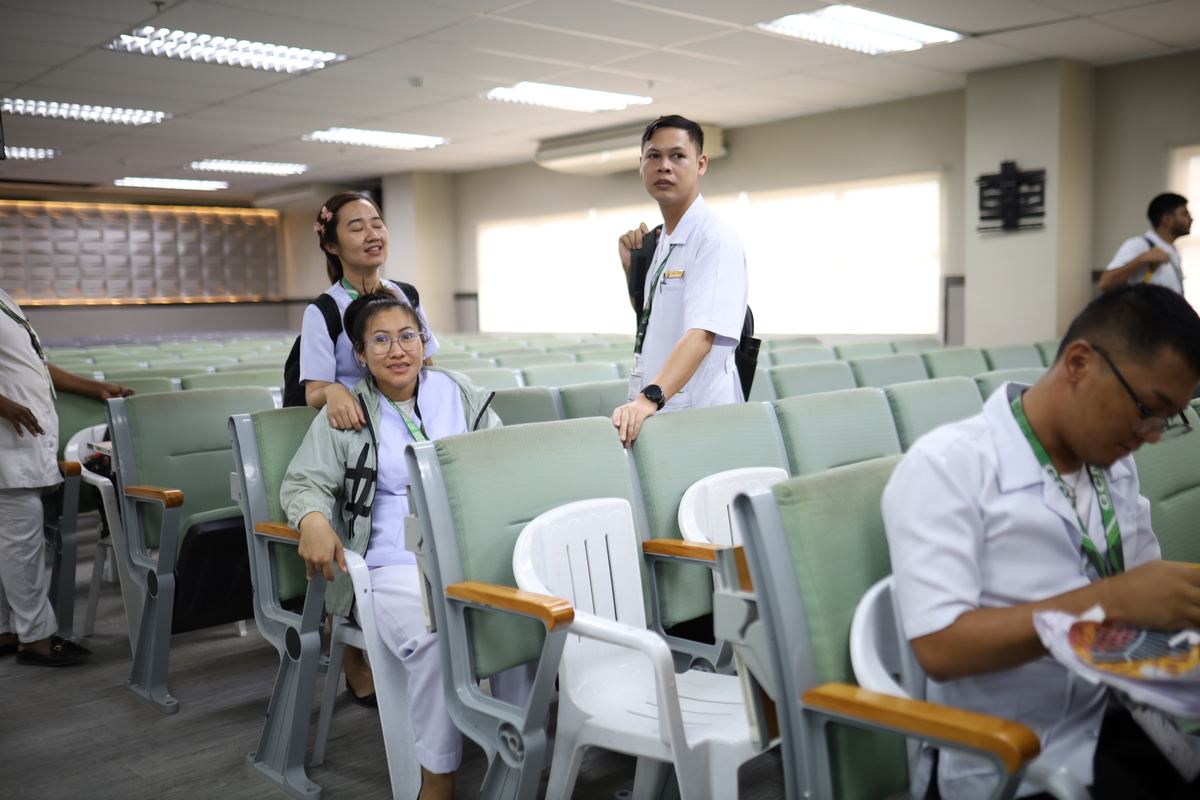
Almost every Indian student describes an adjustment period of roughly 2-3 months. This isn't unique to Philippines — it's the normal process of adapting to a new country, climate, food, and academic system. What helps significantly at UV Gullas is the size of the existing Indian student community: with 500+ Indian students already on campus, predominantly from Tamil Nadu, Kerala, Karnataka, and Andhra Pradesh, new students typically find seniors from their own state within the first week, often through informal WhatsApp groups that exist before students even arrive.
A Typical Weekday
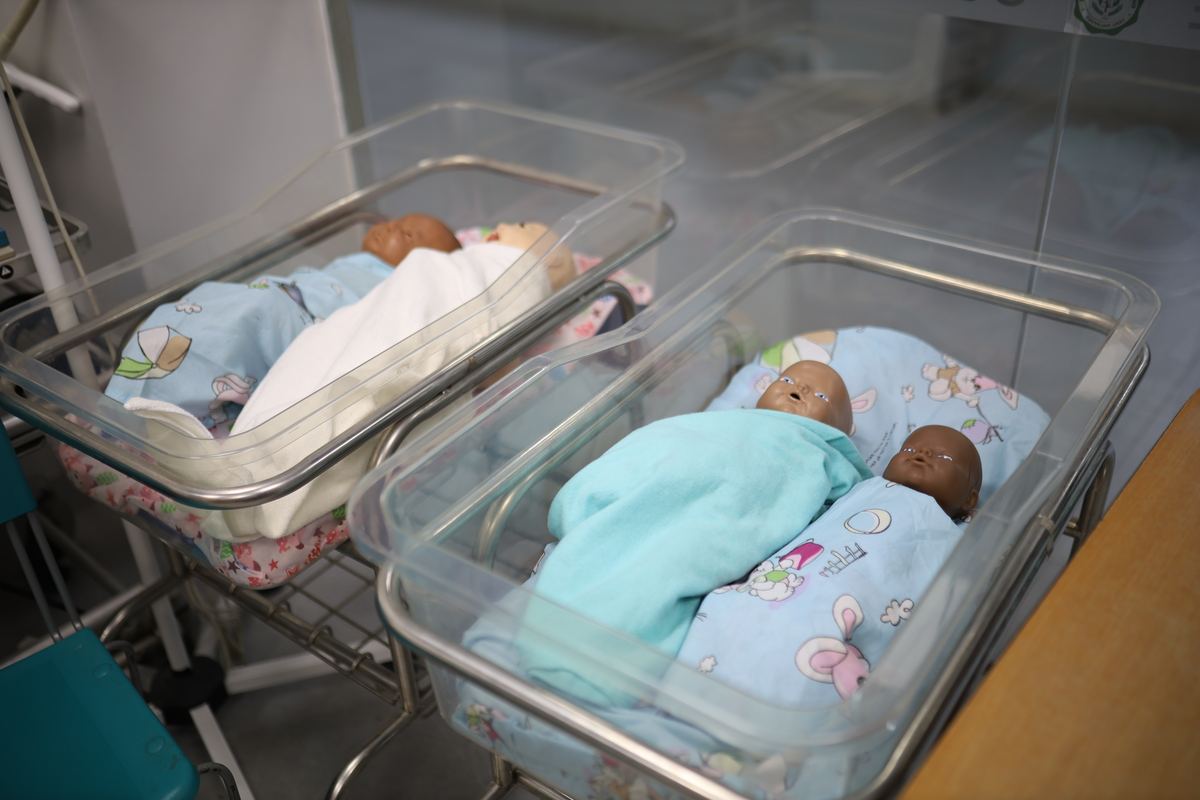
Mornings start early — most students describe waking around 6:30-7 AM, with breakfast at the hostel mess (idli, dosa, or upma rotate through the week, alongside tea/coffee). Classes typically run from around 8 AM to early afternoon, structured as a mix of lectures and laboratory sessions depending on the year. For pre-clinical years (Anatomy, Physiology, Biochemistry), lab sessions involve cadaver work, microscopy, and practical demonstrations.
Lunch is usually back at the hostel mess — rice, dal, two vegetable preparations, roti, and curd form the standard combination, with weekend specials like biryani breaking the routine. Afternoons often involve tutorials, self-study sessions, or — for clinical-year students — hospital rotation blocks.
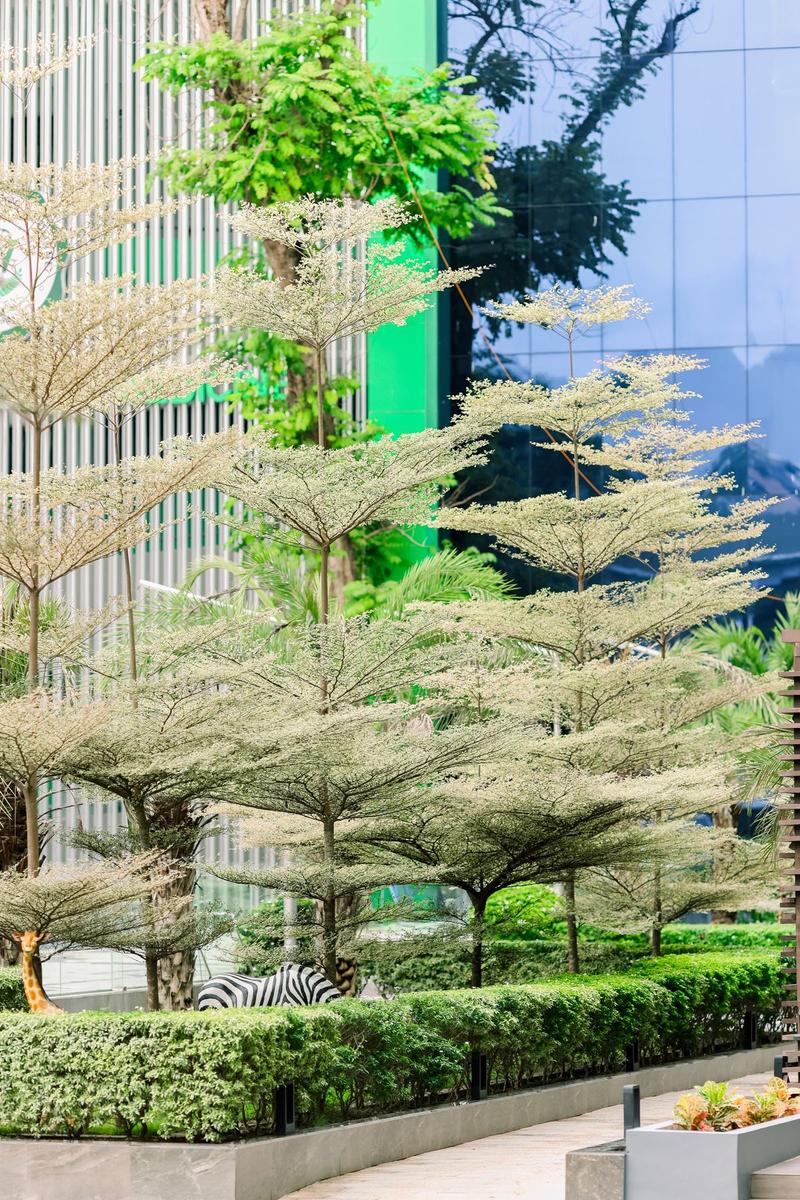
Evenings are when campus social life becomes visible — students gather in courtyard areas, pergola seating spaces, and common rooms. Group study sessions for upcoming exams are common, often mixing serious revision with casual conversation. Dinner follows a similar pattern to lunch, and most students describe winding down with personal study, video calls home, or limited downtime before the next day.
Food: The Question Every Parent Asks
This comes up in nearly every conversation with prospective families, and the honest answer is reassuring: the hostel mess serves Indian food daily — rice-based meals with dal and vegetable curries form the backbone, with rotating breakfast items (idli, dosa, upma, occasionally paratha) and weekend specials. For students wanting more variety or specific regional dishes, Indian restaurants exist within a few kilometers of campus, along with grocery stores stocking familiar brands — basmati rice, dal varieties, spice mixes, and packaged Indian food brands.
Vegetarian students are well-accommodated — every meal includes vegetarian options, and Cebu's broader food culture (with significant Chinese and other Asian culinary influences) also offers vegetarian-friendly choices beyond Indian cuisine specifically.
Safety and Daily Logistics
Cebu City is generally considered one of the safer cities in the Philippines for international students — UV Gullas's campus has security personnel, CCTV coverage, and controlled access. For getting around, Grab (the regional equivalent of Uber) is the most commonly used transport option among Indian students — affordable, app-based, and avoids the language/negotiation friction that can come with informal transport options. Jeepneys (the iconic Philippine public transport) and tricycles are cheaper alternatives for short, familiar routes.
Staying Connected With Family
The time difference between India and Philippines is just 2.5 hours (Philippines is ahead) — small enough that daily video calls fit naturally into both family's schedules without major disruption. Local SIM cards (SMART or Globe being the major carriers) provide affordable data plans, and most communication with family happens via WhatsApp video calls, which work reliably on Cebu's 4G networks.
Festivals and Cultural Life
With such a large Indian student population, festivals don't go unmarked. Diwali, Onam, Pongal, and other regional celebrations are organized by student groups — sometimes informally in hostel common areas, sometimes as larger organized events involving the broader Indian community in Cebu (which extends beyond just UV Gullas students to other Indian professionals and families living in the city).
The Academic Pressure Reality
Medical education is intense everywhere, and UV Gullas is no exception. Pre-clinical years involve heavy memorization (Anatomy, Biochemistry) alongside conceptual subjects (Physiology, Pathology). Clinical years shift toward hospital-based learning, where the pace and expectations change significantly — students describe this transition as challenging but also where the "why am I doing this" motivation often clicks into place, as classroom learning starts connecting to real patients.
What Surprises Students Most
Based on common feedback: how quickly the language barrier stops being a concern (English proficiency in Cebu, especially in academic and healthcare settings, is consistently strong), how normal Indian food becomes accessible within the first month, how much the existing student community accelerates adjustment compared to studying somewhere with few or no Indian students, and how the 2.5-hour time difference makes "being away" feel less extreme than expected — daily contact with family remains easy.
For Parents: What to Expect From Communication
Most students settle into a rhythm of regular video calls — often daily or every other day during the adjustment period, settling into 2-3 times per week as routines establish. The institution and most India-based admission offices maintain some level of contact channel for parents as well, particularly during the first semester.
Conclusion
Life as an Indian student at UV Gullas in Cebu is, in most practical day-to-day respects, more familiar and less isolating than the phrase "studying abroad" might suggest — largely because of the scale of the existing Indian community, the availability of Indian food, English-medium everything, and a manageable time difference with home. The genuine challenges are the same ones every medical student faces anywhere: the academic intensity, the discipline required, and — specific to the foreign MBBS pathway — the responsibility of preparing early for NExT.