Clinical training is where medical education stops being theoretical. For Indian students considering UV Gullas, understanding how clinical rotations work — when they start, what specialties are covered, and how this connects to NExT preparation — is essential for evaluating the programme's quality beyond just the fee structure.
When Clinical Training Begins
In the UV Gullas MD programme structure, the early years (corresponding to MD years 1-2) focus on pre-clinical sciences — Anatomy, Physiology, Biochemistry, Pathology, Pharmacology, and Microbiology — building the foundational knowledge that clinical practice depends on. Clinical rotations — direct exposure to patients in hospital settings — typically begin from the third year of the MD programme onward, following the pattern common to most medical education systems globally, including India's.
What "Clinical Rotation" Actually Means
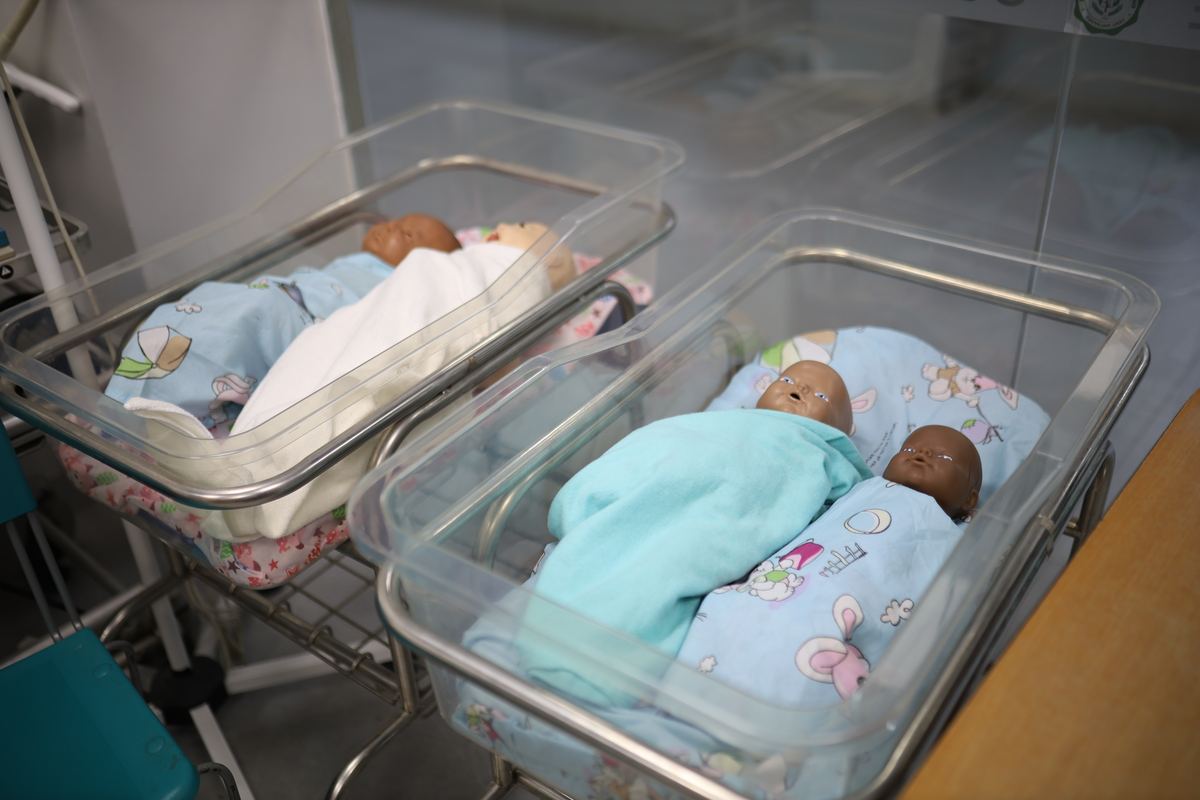
For students unfamiliar with the terminology: a clinical rotation is a structured period (often several weeks) where students are assigned to a specific department or specialty within a hospital — Internal Medicine, Surgery, Obstetrics & Gynecology, Pediatrics, Psychiatry, and others. During each rotation, students observe and (under supervision) participate in patient care: history-taking, physical examinations, assisting with procedures, attending ward rounds with senior doctors, and case discussions.
The goal is to translate textbook knowledge — what you've learned about, say, pneumonia in a Pathology lecture — into recognizing and managing an actual patient presenting with respiratory symptoms, under the guidance of attending physicians.
Major Specialty Rotations Covered
A comprehensive MD clinical curriculum typically includes rotations across:
- Internal Medicine — the broadest rotation, covering management of adult patients across a wide range of conditions
- General Surgery — pre-operative assessment, observing/assisting in surgical procedures, post-operative care
- Obstetrics & Gynecology — prenatal care, labor and delivery, gynecological conditions
- Pediatrics — child health, developmental assessment, common pediatric illnesses
- Psychiatry — mental health assessment and management
- Community Medicine / Public Health — population health, preventive medicine, healthcare systems
- Specialty rotations — Ophthalmology, ENT, Orthopedics, Dermatology, Radiology, Anesthesiology — depending on curriculum structure and available rotation sites
Why This Matters for NExT Preparation
This connects directly to a point covered in our article on NExT vs the old FMGE: NExT Part 2 is a clinical/practical OSCE-style assessment — it tests hands-on clinical skills, not just theoretical knowledge. A student's clinical rotation experience directly builds these tested skills: history-taking technique, physical examination skills, clinical reasoning (connecting symptoms to differential diagnoses), and communication with patients.
This means the quality and breadth of clinical rotations isn't just an "academic experience" consideration — it's directly relevant to NExT Part 2 outcomes. Students who get substantial, hands-on (not just observational) clinical exposure across the major specialties enter NExT Part 2 preparation from a much stronger position than those whose clinical years were primarily observational.
Affiliated Teaching Hospitals
UV Gullas, as part of the University of the Visayas system, conducts clinical rotations through affiliated teaching hospitals in the Cebu City area — providing the patient volume and case diversity needed for comprehensive clinical exposure. Teaching hospital affiliations are standard practice for medical schools globally (including in India, where most medical colleges are attached to teaching hospitals) — the medical school provides academic instruction, while the affiliated hospital(s) provide the clinical training environment with real patients.
What Students Should Actively Do During Clinical Years
Beyond simply attending assigned rotations, students who get the most value from clinical training tend to:
- Actively participate, not just observe. Asking to take patient histories, perform examinations under supervision, and present cases during ward rounds builds the active skills (not passive knowledge) that NExT Part 2 tests.
- Connect each clinical case back to theory. When encountering a patient with a particular condition, revisiting the relevant pathology, pharmacology, and management guidelines reinforces both the clinical and theoretical knowledge simultaneously — this dual-reinforcement approach is one of the most effective preparation strategies for NExT.
- Maintain a case log. Keeping a personal record of cases encountered across rotations — even informally — builds a portfolio of clinical exposure that aids both learning and, often, future residency/internship discussions.
- Seek feedback actively. Asking attending physicians and residents for feedback on examination technique, case presentations, and clinical reasoning accelerates skill development compared to passive participation.
The Internship Year: Building on Clinical Foundations
The mandatory 12-month rotating internship (which carries no additional fee at UV Gullas) extends and deepens clinical exposure — typically with greater responsibility and more direct patient care involvement than during the MD clinical years. This period is also when NExT Part 2 preparation becomes most concrete, since the internship's hands-on responsibilities directly mirror what Part 2 assesses.
Questions Worth Asking About Clinical Training
For families evaluating UV Gullas (or any medical college), useful questions include: which hospitals are affiliated for clinical rotations, and what is the patient volume/case diversity like? How is the rotation schedule structured across the clinical years — which specialties, for how long, in what sequence? What level of hands-on participation (vs observation) do students typically get during rotations? And how does the clinical curriculum specifically prepare students for NExT Part 2's OSCE format?
Conclusion
Clinical training is arguably the most important — and most often under-discussed — component of medical education quality, because it's harder to photograph or summarize in a brochure than a modern lecture hall or library. For UV Gullas students, clinical rotations beginning from year 3 onward, across major specialties through affiliated teaching hospitals, form the foundation not just for becoming a competent doctor, but specifically for the hands-on skills that NExT Part 2 — the final gateway to practicing in India — will assess.