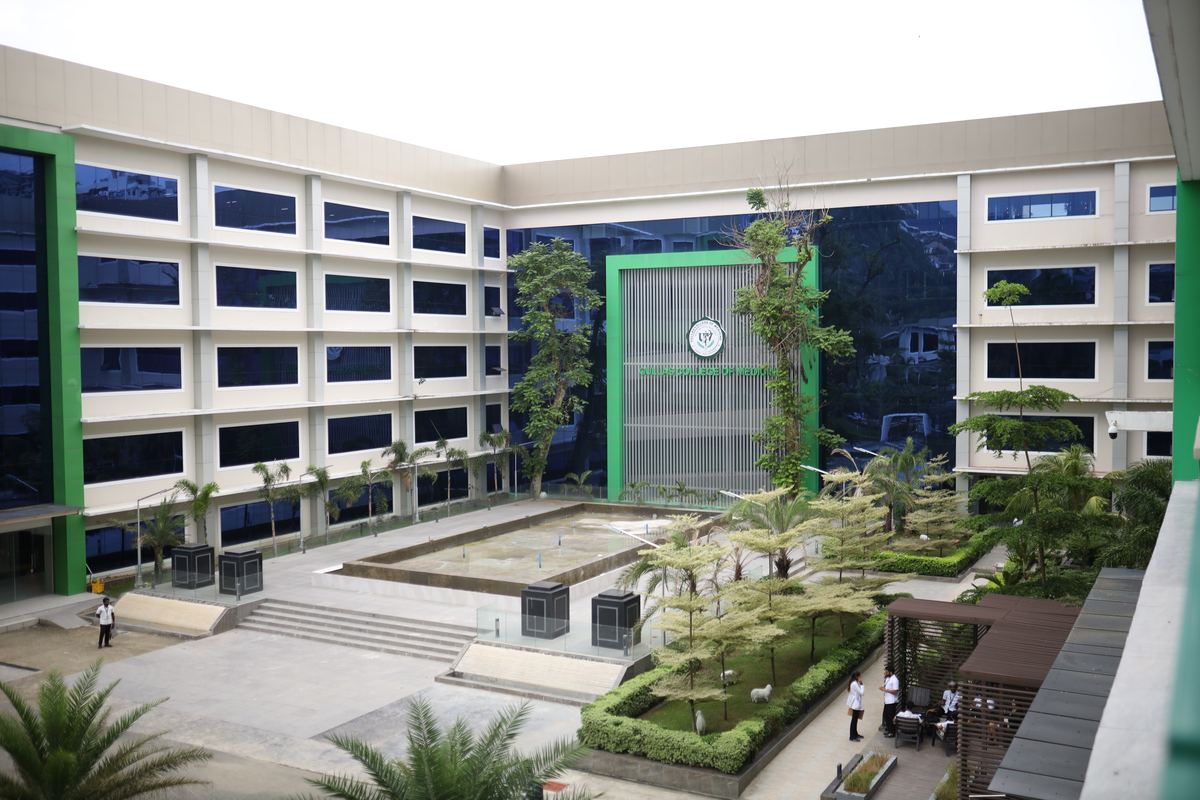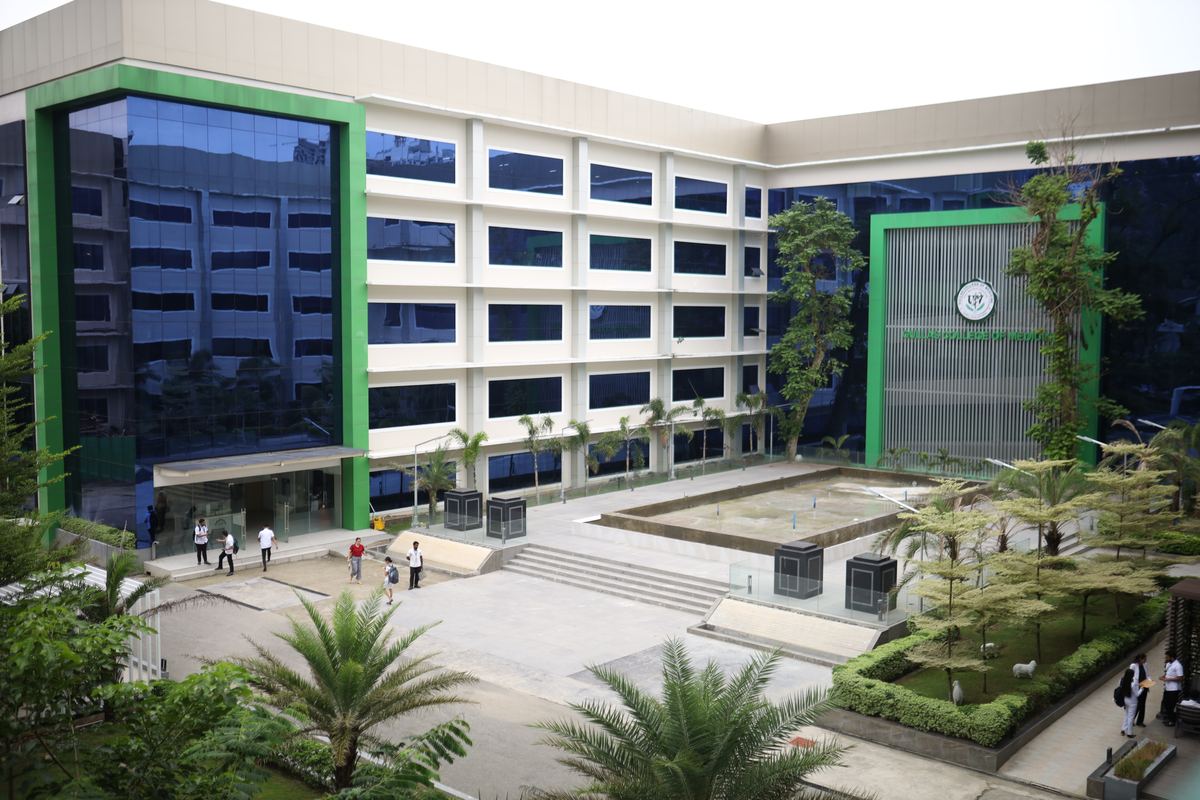
The Philippines has multiple cities with medical colleges accepting Indian students — Manila, Davao, and Cebu being the most prominent. For families researching options, the city matters almost as much as the institution, since it shapes daily life, costs, and even safety perceptions for six-plus years. This article makes the case for why Cebu City, where UV Gullas is located, has specific advantages worth understanding.
Cebu City: The Basics
Cebu City is the Philippines' second-largest metropolitan area, located on Cebu Island in the Visayas region — the central part of the Philippine archipelago. It's a major commercial, educational, and tourism hub, often described as the "Queen City of the South." For Indian students, this size matters: large enough to have the infrastructure (hospitals, malls, restaurants, transport networks, Indian community) that makes daily life convenient, but without the overwhelming scale and traffic congestion that Metro Manila is known for.
Climate: The South India Comparison
This is one of the most immediately tangible factors for new students. Cebu City has a tropical climate with temperatures typically ranging from 25-35°C year-round, with a wet season (roughly June-October) and a drier season (November-May). For students from Chennai, Coimbatore, Kochi, Bangalore, or other South Indian cities, this climate is genuinely familiar — not a dramatic adjustment the way moving to, say, a Russian or Ukrainian winter would be.
This matters more than it might initially seem. Climate adjustment is a real (if often underestimated) factor in how quickly international students settle in — both physically (clothing, daily routines) and psychologically (a familiar climate reduces one more "foreign" element during an already significant transition).
Cost of Living: Cebu vs Manila
Metro Manila, as the national capital and largest urban area, carries a cost-of-living premium across nearly every category — accommodation, food, transport — compared to Cebu City. For students on a fixed budget (which describes essentially every international student), Cebu's lower cost of living translates directly into either lower monthly expenses or more comfortable accommodation/food choices for the same budget. Estimates suggest Cebu's overall cost of living runs roughly 15-20% lower than Metro Manila for comparable lifestyle choices.
Safety Considerations
Safety is, understandably, often the first question parents ask about any international destination. Cebu City is generally regarded as one of the safer major cities in the Philippines, with established expatriate and international student communities that have existed for years — not a new or untested destination. UV Gullas's campus itself maintains security personnel and controlled access, consistent with standard practice for educational institutions hosting international students.
As with any city anywhere in the world, standard precautions apply — using reputable transport (Grab is widely used and recommended over informal options, especially for late travel), being aware of surroundings, and maintaining the kind of general street-smarts that would apply in any unfamiliar city, including Indian cities.
The Indian Community Factor
Cebu City hosts a substantial Indian community — not just MBBS students, but also Indian professionals and families who've lived in the city for years, some operating businesses including restaurants and grocery stores that cater to Indian dietary needs. This existing community infrastructure means new students arrive into an environment where Indian food, cultural events, and a support network already exist — rather than being the first or only Indian presence in an unfamiliar place.
Connectivity: Getting To and From India
Cebu's Mactan-Cebu International Airport has international connectivity, though most routes from India involve a connection (commonly through Manila, Hong Kong, Singapore, or other regional hubs). While not always a direct flight, the overall travel time from major Indian cities to Cebu is reasonable — typically in the range of 6-10 hours total including connection time, comparable to or better than travel times to several Eastern European MBBS destinations.
Time Zone: A Genuinely Underrated Advantage
Philippines is just 2.5 hours ahead of India (IST). This is a remarkably small time difference for an international study destination — compare this to Russia (Moscow is 2.5 hours behind India, but other Russian cities offering MBBS programmes can be 3-5+ hours different) or countries further west. The practical impact: daily video calls with family don't require awkward late-night or early-morning scheduling on either end — a small detail that meaningfully affects how "far away" studying abroad actually feels day-to-day.
Healthcare Infrastructure (Relevant for Clinical Training)
As the Visayas region's major urban center, Cebu City has substantial hospital infrastructure — multiple major hospitals serving a large population base, providing the patient volume and case diversity that quality clinical rotations depend on. This is directly relevant to the clinical training quality discussed in our dedicated article on UV Gullas's clinical rotations.
What About Manila or Davao Instead?
To be balanced: Manila, as the capital, has the largest healthcare infrastructure overall and the most international flight connectivity (including more direct routes from India). However, it also carries Metro Manila's higher cost of living and notoriously heavy traffic congestion, which can affect daily commute times significantly.
Davao, in Mindanao, is another popular destination for Indian medical students (home to Davao Medical School Foundation, a well-known institution). Davao tends to have an even lower cost of living than Cebu, though its international flight connectivity is more limited, typically requiring a domestic connection through Manila or Cebu first.
The Bottom Line on City Choice
For Indian students prioritizing a balance of: familiar tropical climate, moderate (not extreme) cost of living, manageable city scale with good infrastructure, an established Indian community, minimal time zone disruption for family communication, and substantial healthcare/clinical training infrastructure — Cebu City represents a strong combination of these factors. This isn't to say other Philippine cities are worse choices in absolute terms — but for the specific priorities that matter most to Indian families (climate familiarity, cost, community, connectivity with home), Cebu's profile fits particularly well.
Conclusion
Choosing where to study MBBS abroad involves evaluating both the institution and the city — and for Indian students specifically, Cebu City's combination of South India-like climate, moderate cost of living, established Indian community, minimal time difference with home, and solid healthcare infrastructure makes it a particularly well-suited location among Philippine options.